


How Mind-body and Lifestyle Approaches Changed My Practice as a Physiotherapist and Coach
We are thrilled to share a blog this month from Living Proof Ambassador, Lynne Sutherland. Lynne explores how integrating mind-body and lifestyle medicine into her practice has enriched the care she provides her patients as well as her own satisfaction in her role as a physiotherapist and mind-body coach.
The early years of my career
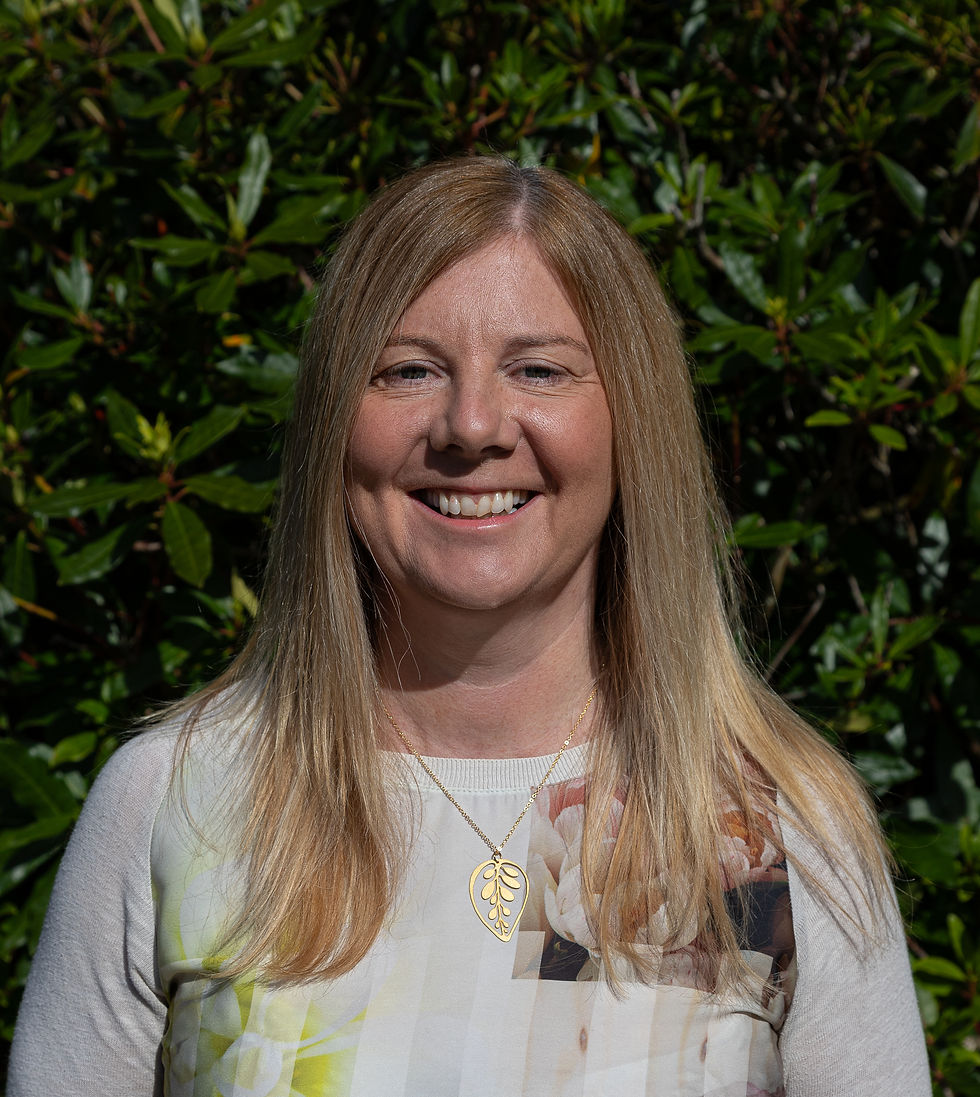
My name is Lynne Sutherland and I am a Physiotherapist and Mind-body Practitioner. I graduated as a physiotherapist in 1996 and worked within the NHS for over 25 years. Over time, I widened my approach through mind-body coaching and becoming a SIRPA* (stress illness recovery) practitioner.
When I began training as a physiotherapist in 1995, the understanding of chronic pain was very different from what it is today. Like many clinicians at that time, my education was grounded largely in a biomedical model — identifying structural issues, diagnosing pathology and applying treatments aimed at reducing pain and restoring function.
Yet even as a student, I found myself deeply curious about people living with persistent symptoms that did not fit neatly into this model. Throughout my career I have worked with countless individuals experiencing chronic pain, fatigue, fibromyalgia, anxiety-related conditions and other persistent physical symptoms that often remained despite multiple investigations, treatments and specialist opinions.
A growing sense that something was missing in chronic symptom care
As a physiotherapist, I spent many years trying to help people out of pain using the best evidence and treatments available to me at the time. Yet I repeatedly found myself working with people whose symptoms persisted despite scans, medication, exercise programmes, manual therapy and many other modalities. I had a growing sense that we were missing part of the picture.
Common patterns in my patients
Looking back, I also began to notice recurring patterns in many of the people I was treating. There were often histories of chronic stress, perfectionism, people-pleasing, anxiety, unresolved grief or trauma. Many lived in a constant cycle of overdoing and exhaustion, alongside fear and hypervigilance around symptoms. At the time, I did not fully understand the significance of these patterns, but I sensed they mattered.
Many of these people felt frightened, exhausted and stuck. As a clinician, I too could feel helpless at times. There was often a sense of frustration on both sides — patients searching desperately for answers and practitioners trying to help within a framework that did not fully explain what we were seeing. Long before I had the language for it, I was fascinated by the connection between emotions, stress and physical symptoms.

How neuroscience helped me connect the dots
Over the years, neuroscience began to evolve significantly. More than 20 years ago, I initially studied with David Butler and Lorimer Moseley through their “Explain Pain” approach. Emerging research around pain science, neuroplasticity and the nervous system offered a far more nuanced understanding of chronic symptoms. I became increasingly interested in the relationship between stress physiology, emotions, trauma, beliefs, behaviour and physical health. Slowly, the pieces began to connect.
My own experiences with chronic symptoms
Alongside this, I was also navigating my own journey of recovery from anxiety and depression. Medication and talking therapies brought temporary relief, but I still felt there was something deeper to understand. Around this time, I widened my training and qualified as a mental well-being coach and hypnotherapist and then also discovered SIRPA (Stress Illness Recovery Practitioners Association), and a whole new world opened up to me.
How lifestyle and mind-body medicine transformed my practice
My introduction to lifestyle medicine and mind-body approaches felt less like discovering something entirely new and more like finding language and evidence for what I had intuitively sensed throughout my clinical work: that the body and mind cannot truly be separated.
Learning about the role of the nervous system, the predictive brain, trauma, emotional suppression, neuroplastic pain and the impact of lifestyle factors on health fundamentally changed the way I practise. Instead of viewing persistent symptoms solely through the lens of tissue damage or dysfunction, I began to understand symptoms as meaningful outputs from a protective nervous system influenced by a person’s life experiences, emotions, environment, habits and internal patterns.
This shift transformed my work.
A radically different way of practising, grounded in neuroscience and hope
I moved away from trying to “fix” people and instead towards helping clients understand their bodies with greater compassion and curiosity. The conversation shifted from “What is wrong with you?” to “What might your system be responding to?” I found that many clients experienced enormous relief simply through understanding that their symptoms were real, physical and valid, even when driven by nervous system dysregulation or neuroplastic processes rather than ongoing structural damage.
Understanding the brain’s role in creating and maintaining chronic symptoms also brought hope. Clients began to understand that neuroplasticity meant change and recovery were possible.
Incorporating mind-body and lifestyle medicine approaches has allowed me to work more holistically and, ultimately, more effectively. Alongside physical rehabilitation, I now integrate nervous system education, emotional awareness, stress regulation, sleep, movement, self-compassion and behavioural change into my work. I have seen people regain confidence in their bodies after years of fear and limitation. I have also witnessed the profound impact that feeling genuinely heard, validated and understood can have on healing.

A much more rewarding way of working
Importantly, this approach has changed me as a practitioner too. Earlier in my career, working with persistent symptoms could sometimes feel emotionally draining because I carried an underlying belief that I needed to find the answer or provide the solution. The mind-body approach brought a greater sense of humility, collaboration and hope into my practice. It reminded me that healing is not always linear and that creating safety, connection and understanding can be just as therapeutic as any intervention.
Advice for practitioners
For practitioners interested in learning more, my advice would be to stay curious and open-minded. Hearing recovery stories through organisations such as Living Proof can provide hope that there is a different way possible. Chronic symptoms are complex, and patients benefit enormously when clinicians are willing to look beyond purely structural explanations. Exploring contemporary pain neuroscience, nervous system regulation and lifestyle medicine can deepen both clinical understanding and compassion.
At the same time, these approaches also invite us to reflect on ourselves. Many healthcare professionals are highly driven, caring individuals who may themselves be living in chronic stress patterns without fully recognising it. Understanding our own nervous systems can profoundly influence how we show up with patients and how we care for ourselves within demanding healthcare environments.
Importantly, embracing mind-body and lifestyle approaches does not mean rejecting biomedical medicine. In my experience, these approaches enhance and enrich traditional healthcare rather than replace it. There will always be an essential role for medical investigation, diagnosis and evidence-based treatment. However, integrating an understanding of the nervous system, stress physiology, emotions and lifestyle factors allows us to support patients in a more complete and compassionate way.
Small shifts, profound impact for both patients and practitioners
Even small shifts — listening differently, exploring the role of stress and emotions more openly, helping patients feel safe in their bodies again — can make a meaningful difference.
Looking back, I feel grateful that the science has evolved in the way it has. It has brought greater hope to many people living with chronic symptoms and has enabled me to practise in a way that feels more aligned, compassionate and deeply human.
For those curious to discover more about how to integrate this approach, practitioners can find out more through Living Proof’s short but comprehensive introductory course – Medicine and the Mind-body Connection - and SIRPA’s offers in-depth CPD training and credentialling in this field.
*SIRPA UK (Stress Illness Recovery Practitioners Association) is a UK-based organisation that trains health and wellness professionals to use a evidence-based, trauma-informed neuroplastic approaches to help individuals recover from chronic pain and other persistent symptoms.

