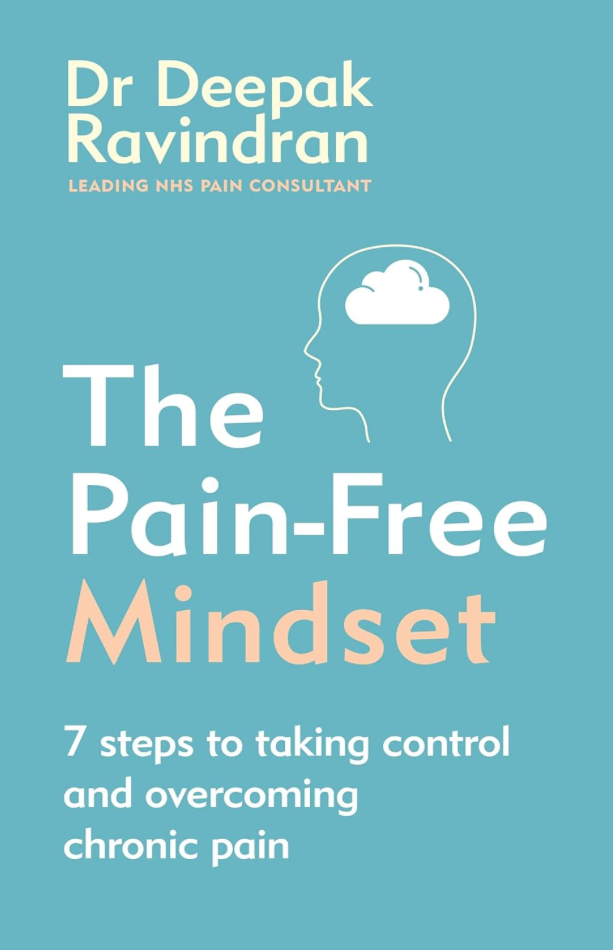
‘The Pain-Free Mindset’ by Dr Deepak Ravindran: Rethinking Chronic Pain Beyond Pills and Procedures
In preparation for our interview with Dr Deepak Ravindran at Stories of Hope & Science this month, we have been diving into his book, Pain Free Mindset, which provides an insightful and compassionate exploration of chronic pain. He explores how our understanding of chronic pain has changed dramatically in recent decades – along with the evidence-based treatment options that neuroscience research has made possible.
Why Pain-Free Mindset is an Important Read
Chronic pain is not just an experience within our bodies. This debilitating condition reshapes routines, relationships, sleep, careers, confidence, and even identity. For millions of people living with persistent pain (28 million in the UK alone), the search for relief can feel like an endless cycle of appointments, medications, procedures and frustration.
That’s what makes The Pain-Free Mindset by Dr Ravindran such an important and interesting read.
Rather than promising a miracle cure for chronic pain, the book offers something more realistic — and arguably more empowering: a science-backed framework for understanding pain differently and building a sustainable path toward better living.
Drawing on more than 20 years of experience as an NHS pain consultant, Dr Ravindran explores how chronic pain is influenced not only by injury or illness, but also by the nervous system, stress, sleep, movement, diet, emotions, and mindset.

Chronic Pain Is More Complex Than We’ve Been Led to Believe
One of the core ideas in the book is that chronic pain is fundamentally different from acute pain.
Acute pain, as we experience when we twist our ankle for example, alerts us to physical harm: it often signals an injury or illness. Chronic pain, however, can persist long after tissues have healed. According to Dr Ravindran, this happens because the brain and nervous system can become “overprotective”, amplifying pain signals even when no ongoing damage is occurring.
This shift in perspective matters. For many people with chronic pain, ‘normal’ scans and tests can lead to feelings of dismissal or self-doubt. The book validates the reality of chronic pain while also explaining the neuroscience behind why pain can persist.
The “MINDSET” Framework
The title is more than a catchy phrase. “MINDSET” is an acronym that structures the book’s seven-part approach to treating chronic pain:
Medication
Interventions
Neuroscience and stress management
Diet
Sleep
Exercise and movement
Therapies of mind and body
What stands out is that the book does not reject conventional medicine. Instead, it advocates for a broader, more integrated approach to pain management. Medications and medical procedures can still have a role to play, and Dr Ravindran carefully explains the situations in which they may be beneficial – along with where they are not.
The book also challenges the assumption that surgery is always evidence-based. Dr Ravindran notes that many surgical procedures have never been properly tested against a placebo or control group, and in cases where such studies have been conducted, the results have often shown little to no additional benefit.
Rather than presenting medication or surgery as complete solutions, these interventions are framed as only one part of a much bigger picture. Dr Ravindran is also candid about the potential risks associated with procedures and medications, including addiction, unnecessary interventions, and post-surgical complications.
Lifestyle based approaches
Alongside conventional approaches, Dr Ravindran explores how lifestyle-based approaches can improve pain, advocating for:
Improving sleep quality
Building sustainable movement habits
Understanding inflammation and nutrition
Mind-body approaches
Dr Ravindran devotes a large section of the book to exploring the neuroscience behind chronic pain and mindbody approaches to treatment. He explains that although pain is often considered simply a sign of damage within the body, modern neuroscience tells a far more complex story. When the brain perceives a threat, it can create pain as a protective mechanism— but sometimes that alarm continues to sound long after the danger has passed. In the case of chronic pain, symptoms can be maintained by the nervous system and its interaction with the immune system.
Dr Ravindram is clear that mind-body approaches can be highly valuable and effective tools for soothing an overactive pain system and supporting long-term recovery. Strategies discussed in the book, which Dr Ravindran uses effectively with his patients, include pain science education, breathwork, mindfulness and meditation along with proactively managing stress and increasing support, connection and joy in life.
It’s important to note here that Pain Free Mindset was written and published in 2021. Since then, more evidence has been collected on the effectiveness of mind-body approaches for treating chronic pain, in the form of clinical trials have been conducted and published and more that are underway.
A Holistic Approach That Feels Practical
The Pain-Free Mindset is grounded in clinical practice and behavioural science. It combines neuroscience research, patient stories, practical tools and habit-building strategies designed to help readers regain agency over their pain.
A key message within the book is that the brain and body are deeply interconnected — and that understanding this connection opens up evidence-based treatment possibilities.
The Bigger Conversation Around Chronic Pain
The book also taps into a larger paradigm shift in how chronic pain is understood and treated in modern pain medicine.
Pain management is deeply personal. What works for one person may not work for another, which is fully recognised in the book - and Dr Ravindran’s encourages curiosity, education, and empowerment instead of passive dependence on quick ‘fixes’.
He also encourages clinicians to actively listen to their patients with chronic pain and get to know the ‘whole person’ in order to fully understand what is driving their pain and how it might be most effectively treated.
The Case for Change
As discussed, emerging neuroscience has changed how clinicians think about pain conditions that were once poorly understood. However, this understanding is not always reflected in the pain management programmes offered to patients in the NHS.
The sad reality, which Dr Ravindran acknowledges in the book, is that often chronic pain patients wait for years to be referred to a pain service and then may not receive modern pain science education to explain their pain.
There is a need to improve pain science education at a policy level – and to introduce this at a community level by working through voluntary groups. If pain science were taught to patients early on in their health journeys, it could make a meaningful difference to their lives.
Why This Book Resonates
What makes The Pain-Free Mindset resonate is that it speaks to people who are tired of feeling trapped between “nothing is wrong” and “you’ll just have to live with it.”
It offers hope without oversimplifying the challenge.
For readers navigating chronic pain — or healthcare professionals supporting them — the book provides valuable neuroscience insights, deep compassion and practical tools.
The tone is empowering and collaborative, and the focus is on helping people reclaim their quality of life, even when pain doesn’t disappear overnight.
In an era where burnout, stress, inflammation, and chronic illness are increasingly common, that message is especially relevant.
Final Thoughts
The Pain-Free Mindset is not a promise of instant relief. It is a guide to understanding chronic pain more deeply and approaching recovery more holistically.
The book contributes to an important conversation: chronic pain deserves more nuanced, compassionate, and multidisciplinary care than many people currently receive.
And perhaps that’s the real mindset shift at the heart of the book — moving from simply fighting chronic pain to understanding it. Through neuroscience. Through the lens of the brain and nervous system – and the hope for healing that this provides.
You can explore the book here: The Pain-Free Mindset on Amazon UK.